
8-The Effect of Designing and Implementing an Intervention based on Peplau’s Theory on Blood Glucose control and Self-Care of Adolescent with Type 1 Diabetes: A Mixed Methods Study
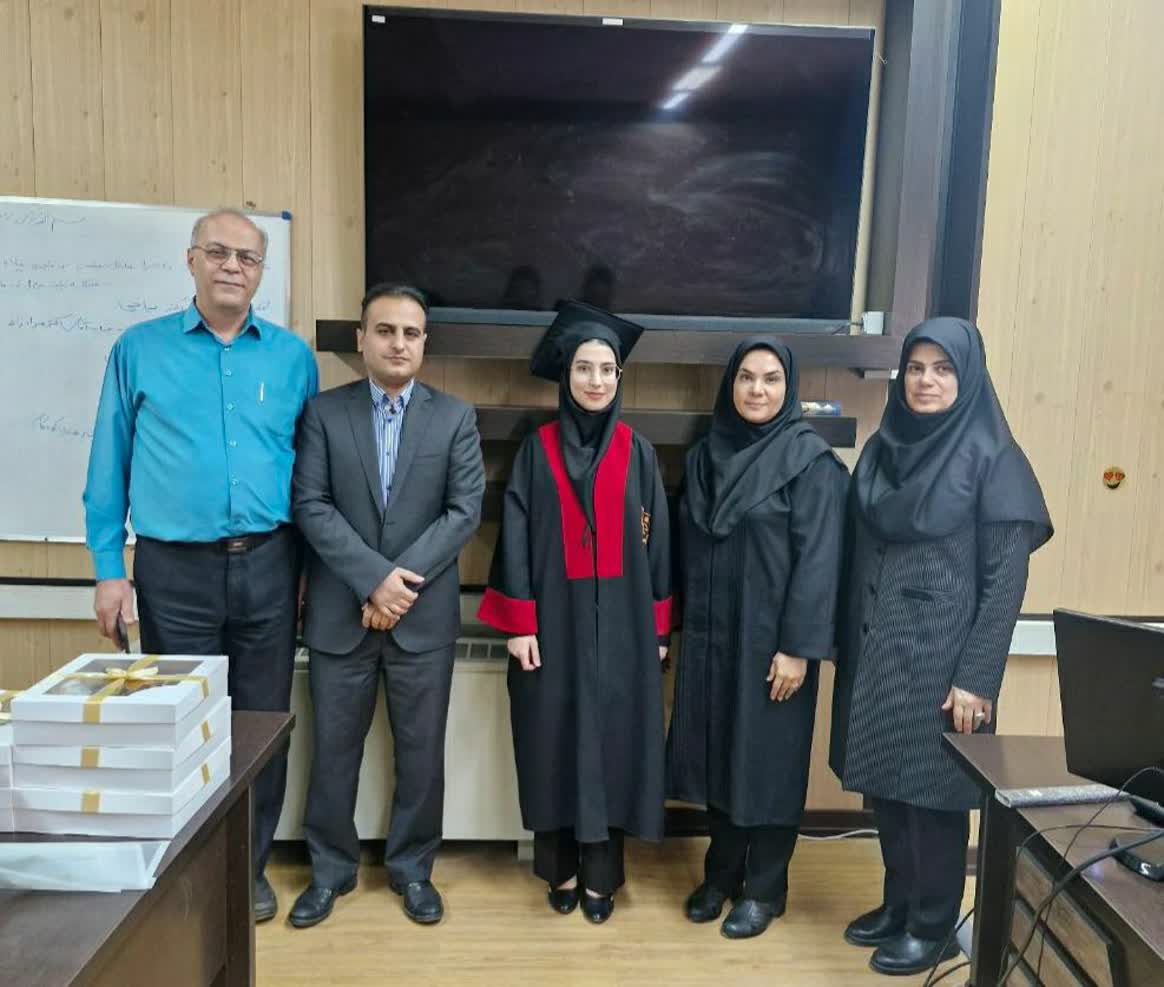

Student name: Ms.Sara Samiee
Supervisor:Dr Sayahi
Advisors: Dr Sajjadi Dr Moradzadeh
Defense date:2025/9/13
The Effect of Designing and Implementing an Intervention based on Peplau’s Theory on Blood Glucose control and Self-Care of Adolescent with Type 1 Diabetes: A Mixed Methods Study
Introduction
Diabetes is a group of metabolic diseases that share an abnormally high blood sugar level. Peplau's theory emphasizes the importance of interpersonal relationships in nursing. Peplau considers interpersonal relationships to be effective factors in increasing understanding and recognition of patients' needs, problems, and expectations from the disease control process, as well as motivating and involving clients to accept responsibility and help them recover, maintain, and improve their health. The aim of this study is to examine the effect of designing and implementing an intervention based on Peplau's theory on blood sugar control and self-care in adolescents with type 1 diabetes.
Materials and Methods
This research is a mixed and sequential exploratory (qualitative-quantitative) study. Initially, in order to determine the self-care needs of adolescents with type 1 diabetes, the qualitative phase of the study was conducted by interviewing adolescents and, if necessary, their parents. In this stage, conventional content analysis using the Granheim and Lundman method was used. In order to complete the self-care needs, a literature review method was also used. After determining the priority of self-care needs, the quantitative phase of the research was conducted. In this stage, adolescents with diabetes were divided into two groups of 20 intervention and control. The study was first conducted on the control group and then on the intervention group. The control group did not receive training, and the intervention group received four training sessions in accordance with the prioritization of self-care needs and with regard to the exploitation stage of Peplau's theory; the intervention group also received a question-and-answer and summary session in accordance with the dissolution stage of Peplau's theory. Adolescents in both the intervention and control groups had to complete and submit questionnaires in the first meeting with the researcher and also after 8 weeks of follow-up.
Results
The results of the qualitative phase of the study showed that the self-care needs of adolescents with type 1 diabetes fall into four main categories: the need to manage the challenges of controlling diabetes, the need to acquire self-care skills in diabetes, the need to receive education for self-care in diabetes, and the need to manage the complications of diabetes. The results of the quantitative phase of the study showed that implementing an intervention based on Peplau's theory can increase self-care activities (p=0.001) and improve fasting blood sugar control (p=0.001) and blood sugar two hours after a meal (p=0.001) in adolescents with type 1 diabetes.
Conclusion
The findings of this study indicate that adolescents with type 1 diabetes face self-care needs, including the need to manage the challenges of diabetes control, the need to acquire self-care skills in diabetes, the need to receive education for self-care in diabetes, and the need to manage the complications of diabetes. This 5 study increases our understanding of the self-care needs of adolescents with type 1 diabetes by identifying self-care needs and emphasizing the importance of self-care during adolescence, acquiring self-care skills, and managing self-care challenges that have not been specifically reported in other studies. By designing an intervention based on Peplau's theory that is based on the mentioned needs, the level of self-care and blood sugar control of adolescents with diabetes can be improved. Neglect and neglect of self-care needs was a finding that was emphasized both in the qualitative part of the study and in the review of research. Therefore, identifying the self-care needs of adolescents with type 1 diabetes and designing an intervention based on Peplau's theory according to the identified needs is strongly felt. The results of descriptive and inferential statistics also showed a significant increase in the mean self-care score and a statistically significant difference in fasting and two-hour postprandial blood sugar scores in the intervention group compared to the control group. For example, the mean self-care score in the intervention group increased significantly after the intervention, while the control group experienced little change, indicating the success of the intervention based on Peplau's theory.
Key Words:
Peplau's theory, blood sugar control, self-care, adolescents and type 1 diabetes